
Why Tasmania's West Coast Is Worth The Journey
16 March 2026
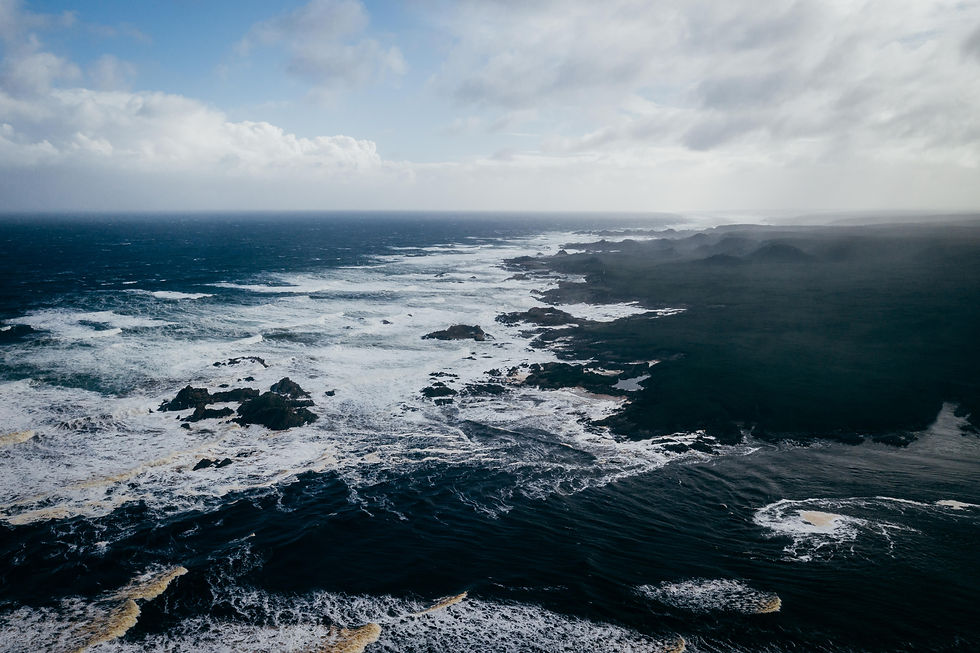
Ancient rainforest, rugged coastline, and rivers that carry 40,000 years of history. Here's why the wild west coast Tasmania is worth the journey.
There are places you visit because they are easy to reach, and then there are places you travel to because they offer something meaningful.
West coast Tasmania sits firmly in the second category, defined by distance, scale and a wilderness that still feels genuinely untouched.
Remote and shaped by powerful weather systems rolling in from the Southern Ocean, this region asks you to slow down, look closely and allow the landscape to unfold in its own time.
If you are considering the journey to the wild west coast Tasmania is known for, the wilderness alone makes it worthwhile.
An Ancient and Untamed Landscape
The west coast does not feel curated or controlled. It feels ancient.
Here, vast tracts of temperate rainforest stretch towards the Southern Ocean. Rivers wind through valleys carved over millennia. Moss-covered trees and Huon pines stand as living links to Gondwanaland.
This is not scenery designed for quick photographs. It is a landscape best experienced slowly, whether you are walking beneath towering myrtles or pausing beside a river to listen to nothing but birdsong and wind moving through the canopy.
The Tarkine By The Numbers
450,000 hectares of protected wilderness - the largest cool temperate rainforest in Australia
More than 60 rare, threatened or endangered species call the Tarkine home
Over 400 plant species, including native orchids found nowhere else on Earth
448km of wild coastline, with more than 300 beaches - most accessible only by air or sea
The nearest landmass due west is Argentina, some 18,000km across the Southern Ocean
Corinna marks the northernmost point where Huon pine grows - a species so slow-growing it is a living link to Gondwanaland

Where Rainforest Meets the Southern Ocean
One of the most compelling reasons to visit west coast Tasmania is the sheer contrast within its terrain. In a single day you can wander through dense rainforest and then stand on a vast, windswept beach where the Roaring Forties drive powerful swells against rugged cliffs.
The coastline between Granville Harbour and Pieman Heads remains one of the least visited coastal corridors in Australia. There are no built promenades or crowds gathering for sunset photographs, only open beaches, weathered headlands and the raw sound of ocean meeting land.
The experience feels expansive and grounding at the same time, reminding you how small we are within these systems.
Rivers That Carry History and Reflection
Rivers define much of the wild west coast Tasmania landscape, carving pathways through forest before reaching the sea. The Pieman River, calm and reflective, offers a different kind of immersion into wilderness.
As you move along its surface - either by kayak on the Pieman River or aboard the heritage cruiser Arcadia II - the surrounding rainforest reveals itself from a perspective that cannot be seen from the road.
Reflections double the forest canopy, sea eagles trace wide arcs overhead, and the quiet rhythm of water against timber becomes part of the experience.
Beneath that stillness lies a layered history, from Aboriginal connection and cultural significance to maritime trade and gold rush settlements that once relied on these waterways for survival. The river does not just shape the land; it carries its stories.
The Value of Slower Travel
Part of what makes west coast Tasmania so rewarding is the journey itself.
Roads wind through mountain ranges and past former mining towns, gradually easing you out of routine and into something quieter. Phone reception fades, traffic thins and the pace naturally shifts.
By the time you arrive in places like Corinna, perched beside the Pieman River, the transition feels complete. With no Wi-Fi or phone reception, evenings are shaped by conversation, forest sounds and soft light reflecting off the water rather than screens and notifications.
The wild west coast Tasmania invites you to move differently, to trade urgency for awareness and to let each day unfold without pressure.
Wildlife in Its Natural Rhythm
Because much of this region remains protected and sparsely populated, wildlife thrives within intact ecosystems.
Platypus move quietly through river bends at dawn and dusk, wallabies emerge along forest edges, and sea eagles patrol coastal currents with patient precision.
Encounters here feel unforced and unscripted. You are witnessing animals within their natural rhythms rather than curated experiences, and that authenticity is part of what makes the wilderness so compelling.

A Landscape With Cultural Depth
The west coast is not only powerful in its scenery; it carries deep cultural and historical significance.
The takayna/Tarkine holds enduring importance for Tasmanian Aboriginal communities, with middens and hut depressions providing precious links to the land's original custodians.
Later, the gold rush era brought rapid growth, river steamers and small settlements carved from dense forest. Remnants of these chapters remain scattered throughout the region, subtle but present, adding depth to the experience of walking through what might at first appear to be untouched country.
The wilderness here is layered with memory, and understanding that context enriches every visit.
Why Visiting Tasmania's West Coast Is Worth The Journey
Travelling to the west coast Tasmania demands intention, yet that sense of distance is exactly what preserves its character.
When you arrive, you are not stepping into a crowded destination but into a landscape that still feels expansive, quiet and resolutely itself.
The wild west coast Tasmania is not defined by fast-paced attractions or curated highlights. It is defined by atmosphere, scale and the rare opportunity to feel fully present within a living wilderness.
For those willing to make the journey, the reward is simple but profound: a genuine connection to land, river and ocean that you will still feel long after you have crossed back over the Fatman Barge and left the silence of the Pieman behind.